Cheetah and Leopard Print Patterns: Colors, Styles and How to Use Them
Cheetah print vs leopard print
- Leopard print is made of rosettes: broken rings of dark color around a slightly deeper center.
- Cheetah print is made of solid spots, evenly scattered, with no ring.
- In shops the two names are used almost interchangeably, so it is worth searching for both.
Popular animal print colors
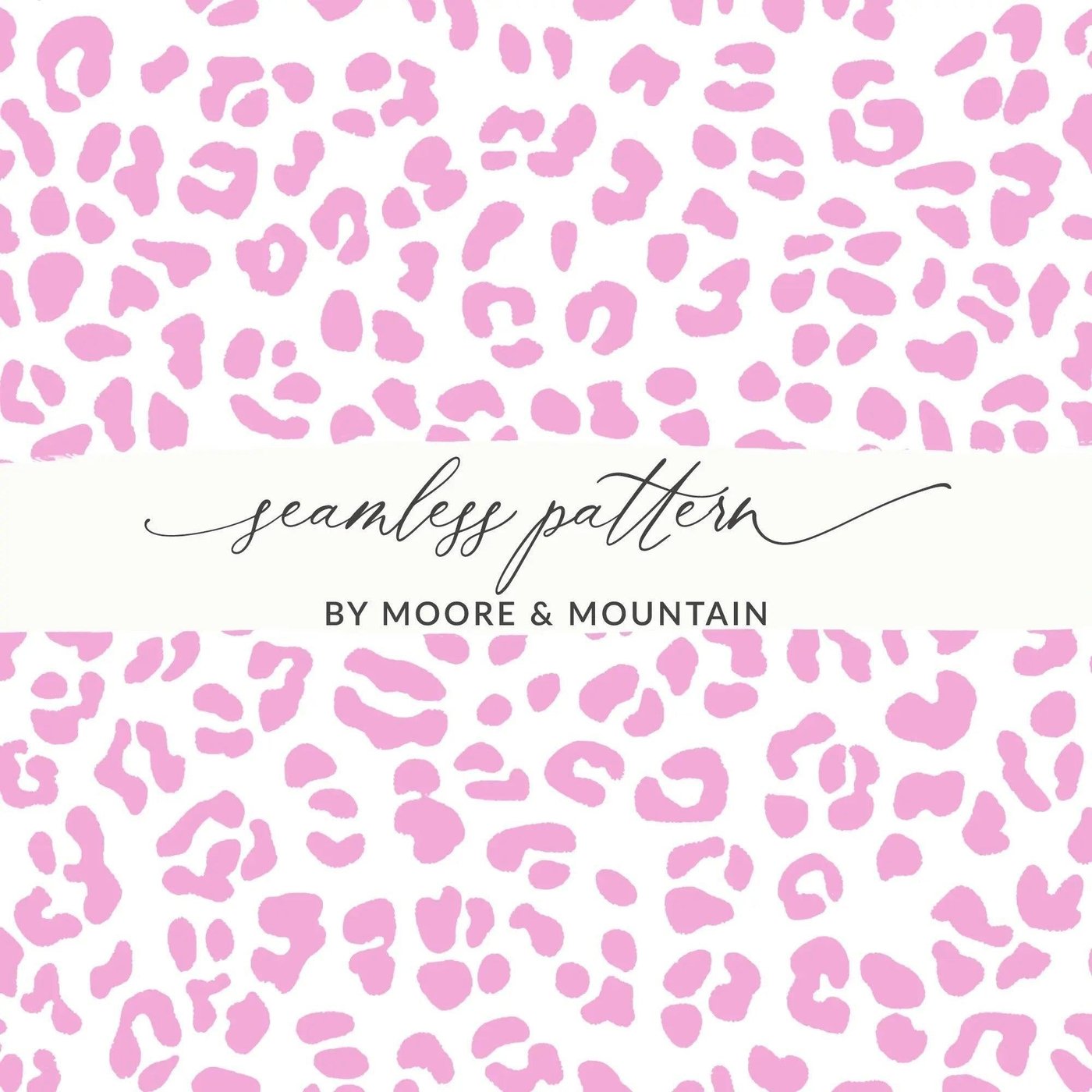
- Pink. The most requested color after natural tan. This pink leopard print is a good example, and a pink and gold cheetah print adds a little shine.
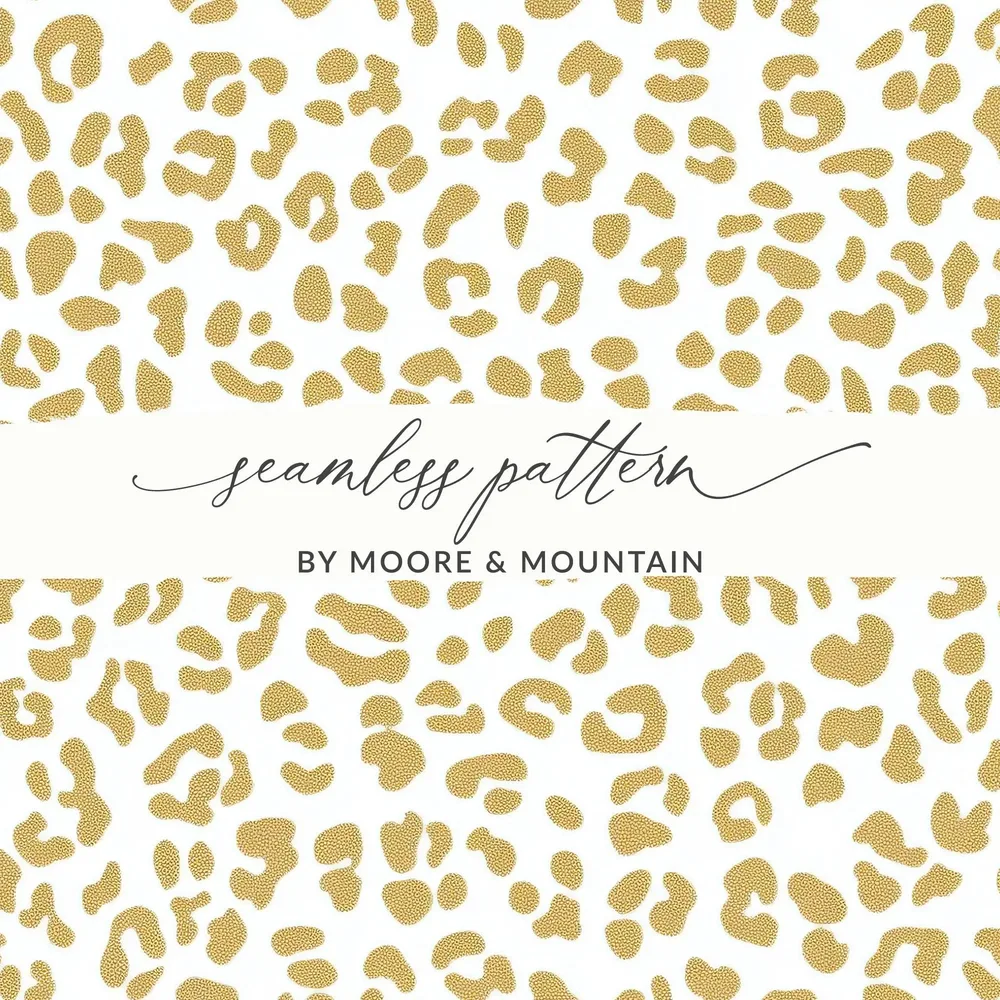
- Gold and tan. The classic. A gold leopard print works as a neutral and pairs with almost any solid.
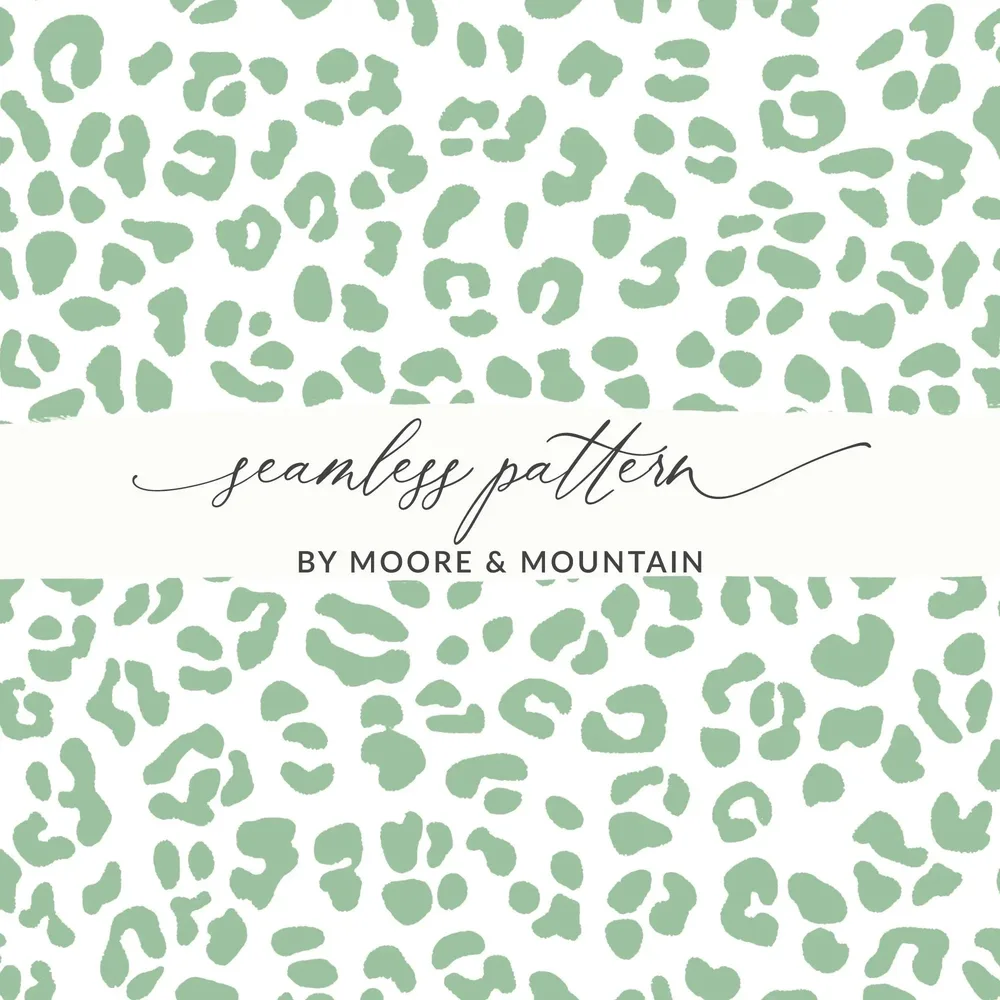
- Sage and pastel. A soft ground such as this sage green leopard print makes animal print gentle enough for nursery and stationery designs.
- Rainbow and brights. A rainbow leopard print is made for kids’ products, stickers and party goods.
What to make with a seamless animal print
- Apparel. Leggings, headbands, scrunchies, bows and baby clothes.
- Drinkware. Tumbler wraps and mugs, where a repeating print has to meet itself at the seam.
- Accessories. Phone cases, keychains, earrings and tote bags.
- Stationery. Planner covers, notebooks, stickers and scrapbook paper.
- Backgrounds. A pale cheetah print background sits well behind lettering and clip art.
Tips for using cheetah and leopard print
- Use it as a neutral. Tan and gold animal prints go with red, pink, black, denim and olive.
- Watch the scale. Small spots suit small products. Large rosettes need room, such as a blanket or a tote.
- Limit it to one piece. Animal print is strongest as an accent: a pocket, a sleeve, a lining or a single panel.
- Make sure it is seamless. A true seamless file repeats with no visible join, which matters most on wraps and yardage.