Ditsy Floral Patterns: What They Are and How to Use Them
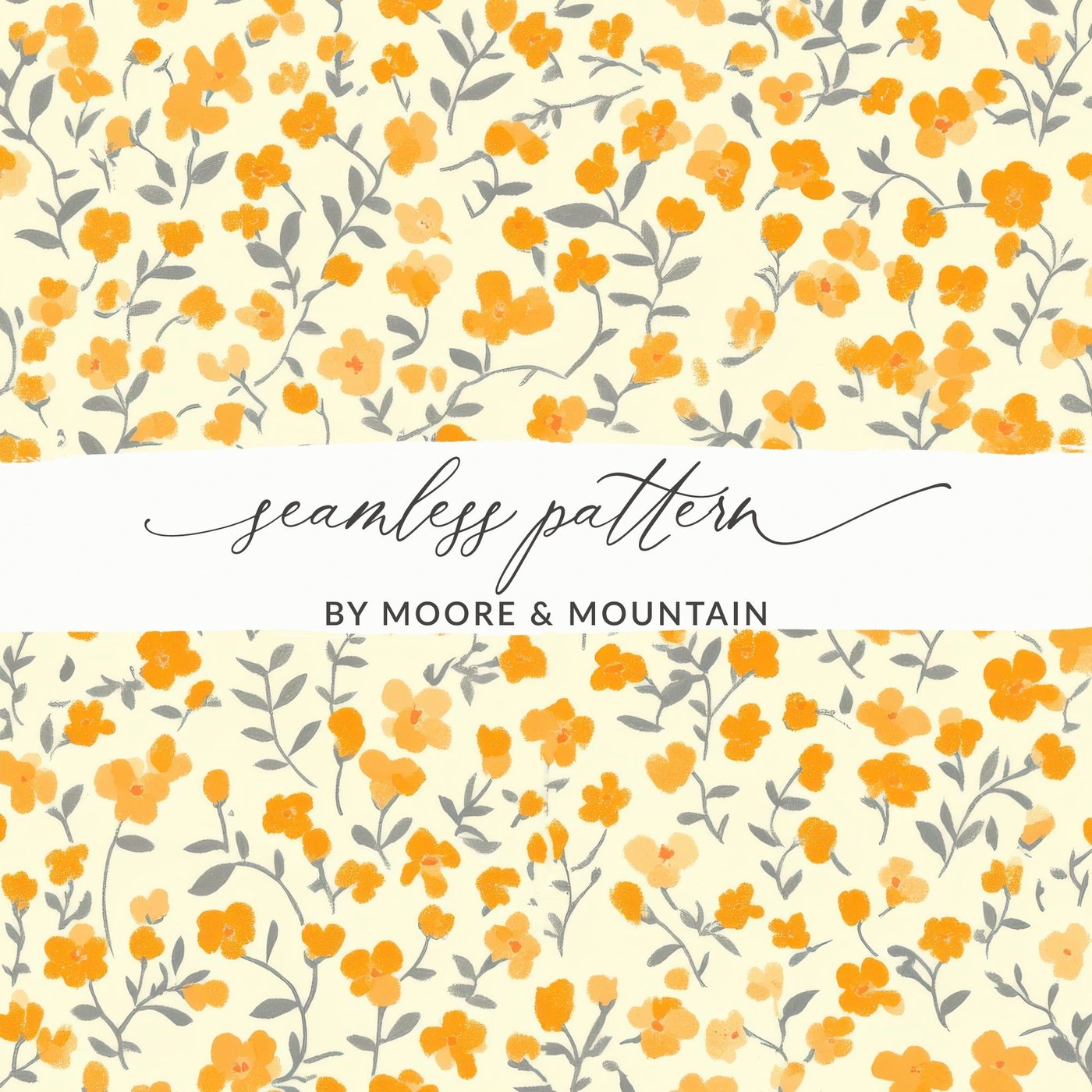
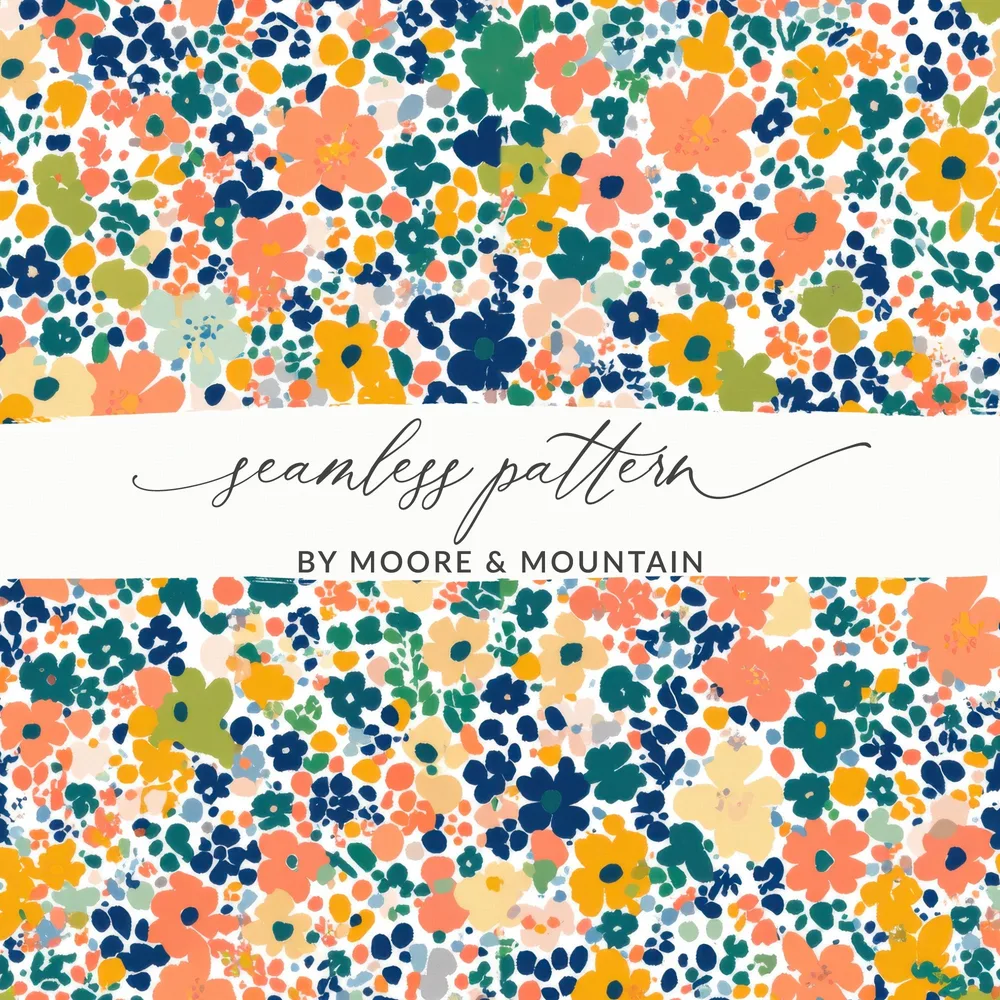
A ditsy floral is a pattern of very small flowers scattered across a background, with no obvious rows or direction. It is the print of vintage tea dresses, quilting cotton and baby clothes, and it has stayed popular because it is so easy to use. This guide explains what sets a ditsy floral pattern apart and where it works best.
What makes a floral “ditsy”?
Small scale. The flowers are tiny compared with the product they are printed on.
Scattered layout. Blooms are tossed in every direction, so the print looks the same whichever way up it is.
Even coverage. No single flower stands out. From a distance the pattern reads almost as a texture.
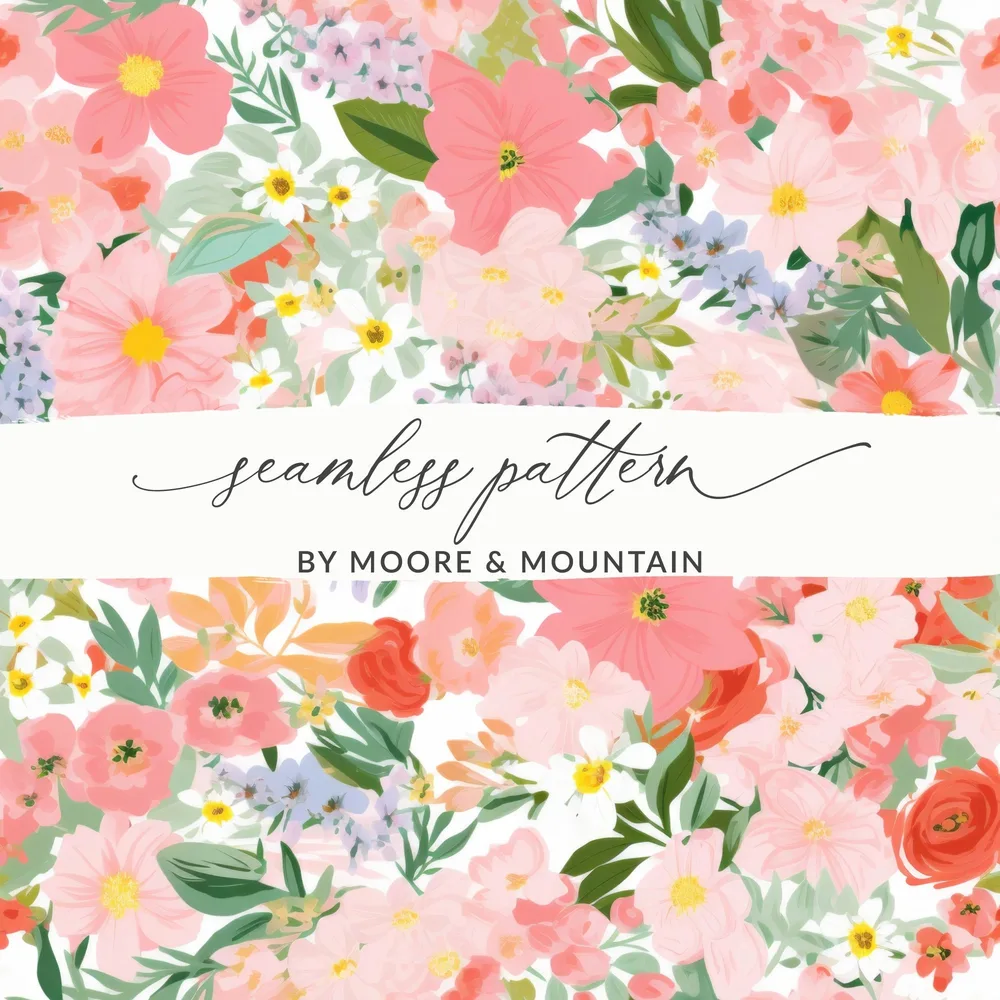
Compare that with a statement floral, where large blooms are the focus, or a floral stripe, where flowers are arranged in rows.
Why ditsy florals are easy to work with
They hide seams and cuts. With no direction and no large motif, a ditsy print can be cut and sewn without matching.
They suit small products. Hair bows, scrunchies, phone cases and baby clothes show the whole pattern, where a large floral would be cropped.
They mix well. A ditsy floral pairs with stripes, gingham and larger florals without competing.
Fabric. Dresses, blouses, pajamas, baby clothes and quilting cotton.
Accessories. Tote bags, hair bows, scrunchies and headbands. One of our customers used a ditsy floral for a tote bag; you can see it on the Rave Reviews page.
Stationery. Planner covers, notebook covers, scrapbook paper and envelope liners.
Packaging. Tissue paper, gift wrap, labels and thank-you cards.
Home. Tea towels, napkins, cushion covers and drawer liners.
Pairing ditsy florals with other patterns
For a coordinated set, combine one ditsy floral with one stripe and one larger floral in the same colors. A floral stripe bridges the two nicely.
Every design at Moore and Mountain is royalty-free for commercial use. You can put it on products you sell, including print on demand, with no ongoing fees. The one thing you may not do is resell or share the files themselves. The FAQ covers the details.