Plaid Patterns Explained: Tartan, Gingham, Buffalo Check and How to Use Them
Plaid is one of the few patterns that works in every season. A red buffalo check reads as Christmas, a pink and white plaid reads as spring, and a navy and green tartan looks at home on almost anything. This guide explains the main kinds of plaid pattern and how to put a seamless plaid print to work.
Plaid, tartan, check: what is the difference?
In everyday American use, plaid is the umbrella word for any pattern of crossing horizontal and vertical bands. The names below describe particular kinds of plaid.
Tartan. Bands of several colors and widths cross to form a repeating block. Where two colors overlap they blend into a third shade, which is what gives tartan its depth. Traditional tartans are tied to Scottish clans and regions.
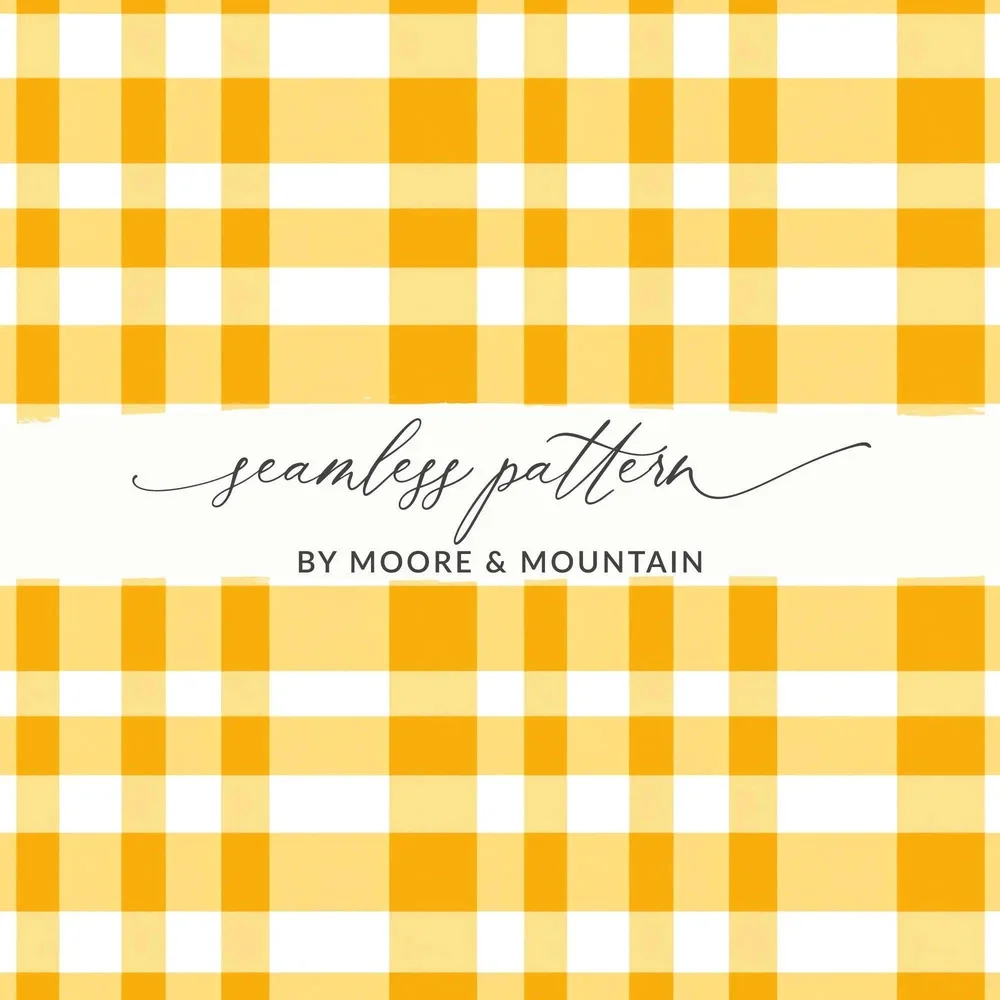
Gingham. Even checks in white and one other color, with a mid-tone square where the stripes cross. It is light, tidy and a staple of preppy and cottage styles.
Buffalo check. Large, bold squares in two colors, most famously red and black. It is the classic cabin and Christmas plaid.
Windowpane. Thin lines crossing on a plain background, like the panes of a window. It is the quietest plaid and works well as a background.
Choosing a plaid by season
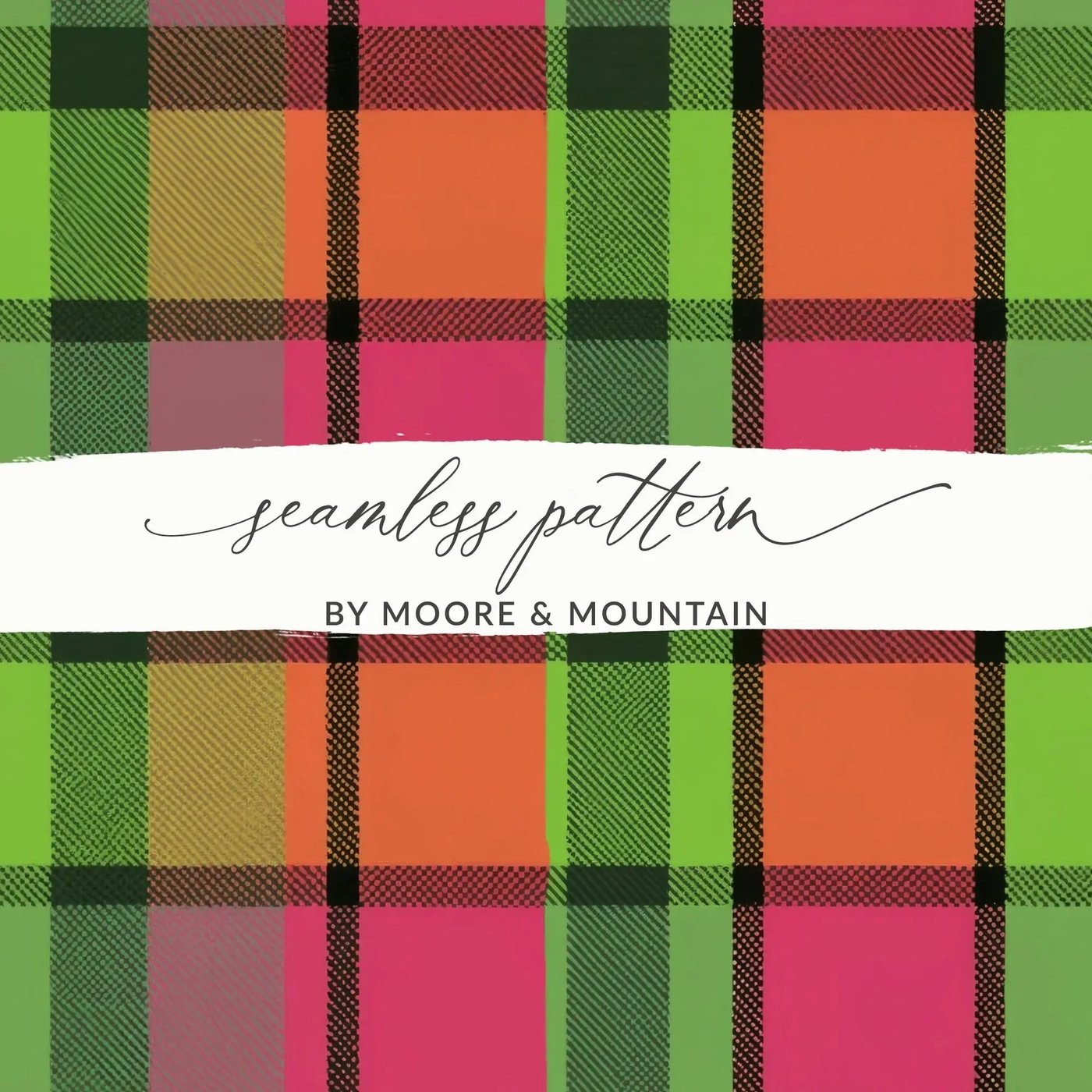
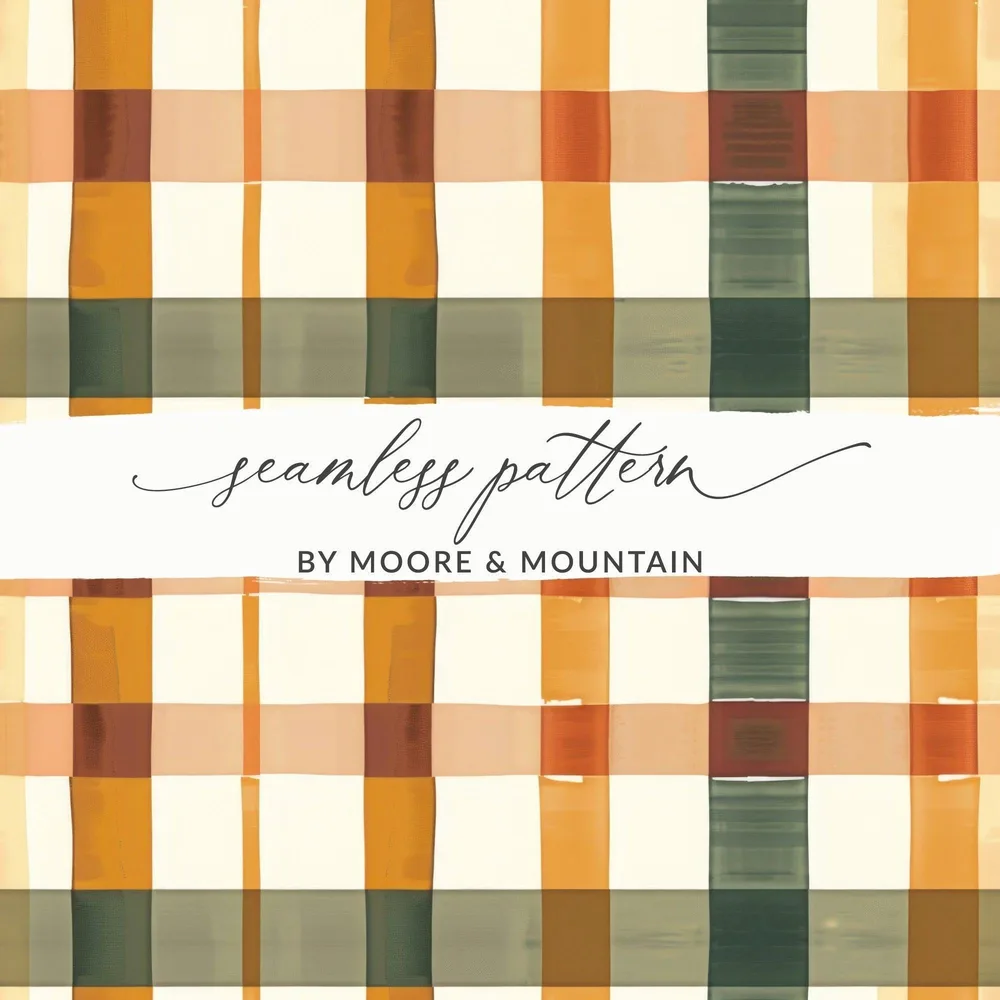
Color does most of the seasonal work. For fall, look for rust, mustard and brown, as in this fall colors tartan. For Christmas, a red buffalo check with holly berries is hard to beat. For spring and summer, pastel ginghams and bright pairings such as this pink and teal plaid keep things fresh.
How to use a seamless plaid pattern
A seamless plaid is drawn so its edges line up when the image is repeated. That matters more for plaid than for most patterns, because a stripe that fails to meet its neighbor is easy to spot. With a true seamless file you can tile it across any size without a visible join.
Fabric and apparel. Pajama pants, scarves, bows, dresses and quilting cotton.
Gift wrap and packaging. Wrapping paper, tissue paper, gift tags and product labels.
Stationery. Planner covers, notebook covers, cards and scrapbook paper.
Home goods. Throw pillows, blankets, table runners and tea towels.
Backgrounds. A soft plaid sits well behind product photos, social graphics and clip art.
Tips for plaid that prints well
Check the scale. A plaid that looks right on a blanket can look busy on a phone case. Resize the tile before you repeat it and preview it at the size of the finished product.
Keep it straight. Plaid shows even a slight tilt, so line the pattern up with the edges of your print area.
Pair it with a plain or a floral. Plaid is a strong partner pattern. Use it for the back of a pillow, the lining of a bag or the cuff of a sleeve, with a floral or a solid on the main panel.
Print at high resolution. For print, aim for 300 DPI at the finished size so the lines stay crisp.
Browse seamless plaid patterns
You will find tartans, ginghams, buffalo checks and watercolor plaids in the plaid collection, each one an instant download.
Every design at Moore and Mountain is royalty-free for commercial use. You can put it on products you sell, including print on demand, with no ongoing fees. The one thing you may not do is resell or share the files themselves. The FAQ covers the details.